Sometimes bad is good
Lightmeters rule
Yeah, you probably already know I love my lightmeter.
But don’t think it’s always perfect.
Ok let me rephrase that.
When you meter the light with a light meter you will get the “perfect” exposure for the subject directly behind the meter (when using an incident meter).
But sometimes using that setting will get you perfect exposed images but it can also be boring.
Today we take a look at what happens when you start to experiment.
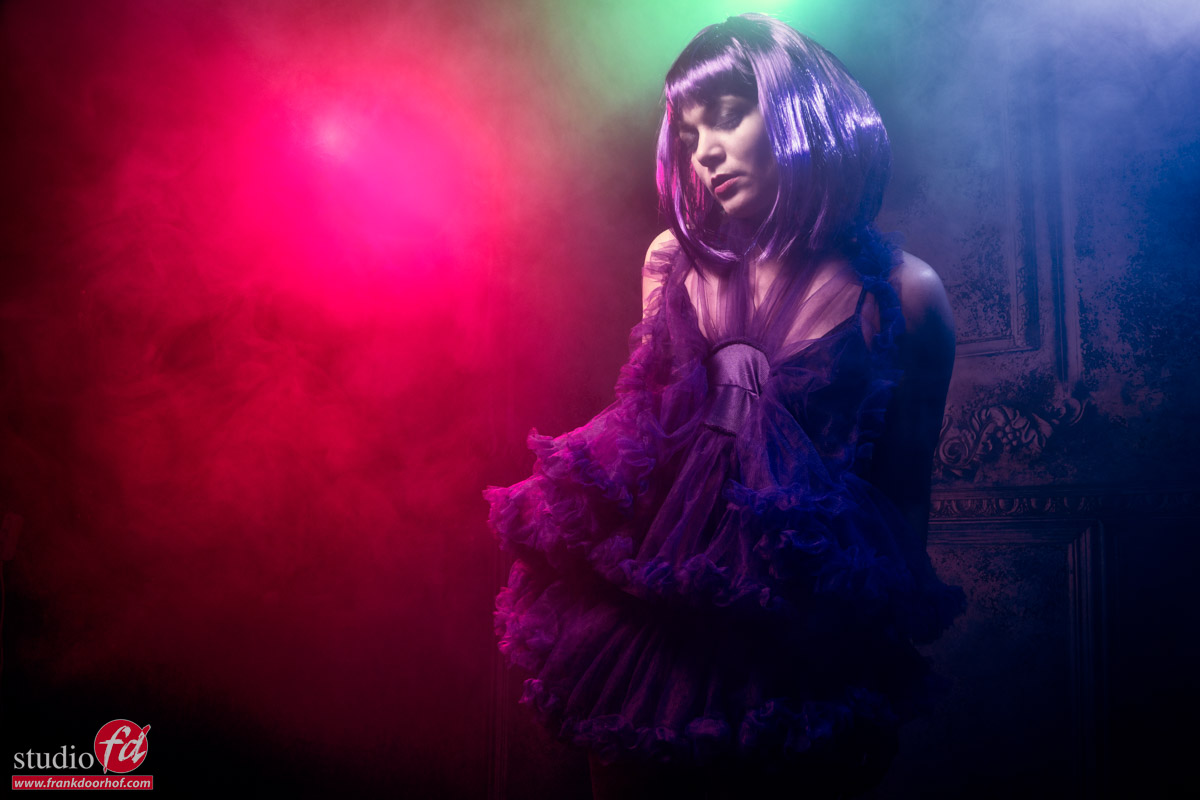
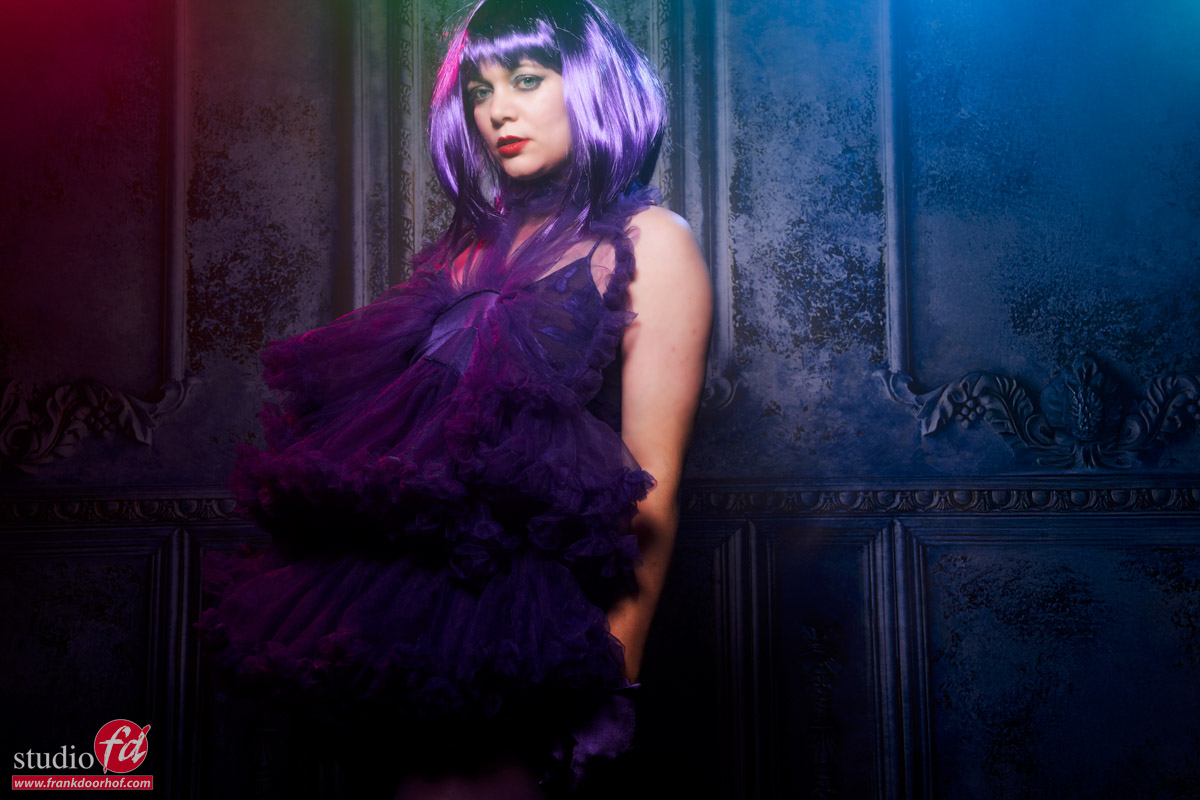
This is the properly exposed shot.
Nadine’s face is lit correctly and I’m using a very slight fill with blue and red gels on Geekoto GT200’s
But as you can probably already spot there is also a slight green hue… and that’s correct just above Nadines head there is also a green gel, but in this shot it’s on a very low setting.
So let’s start adding some “oomph” with changing the output of the gelled strobes.
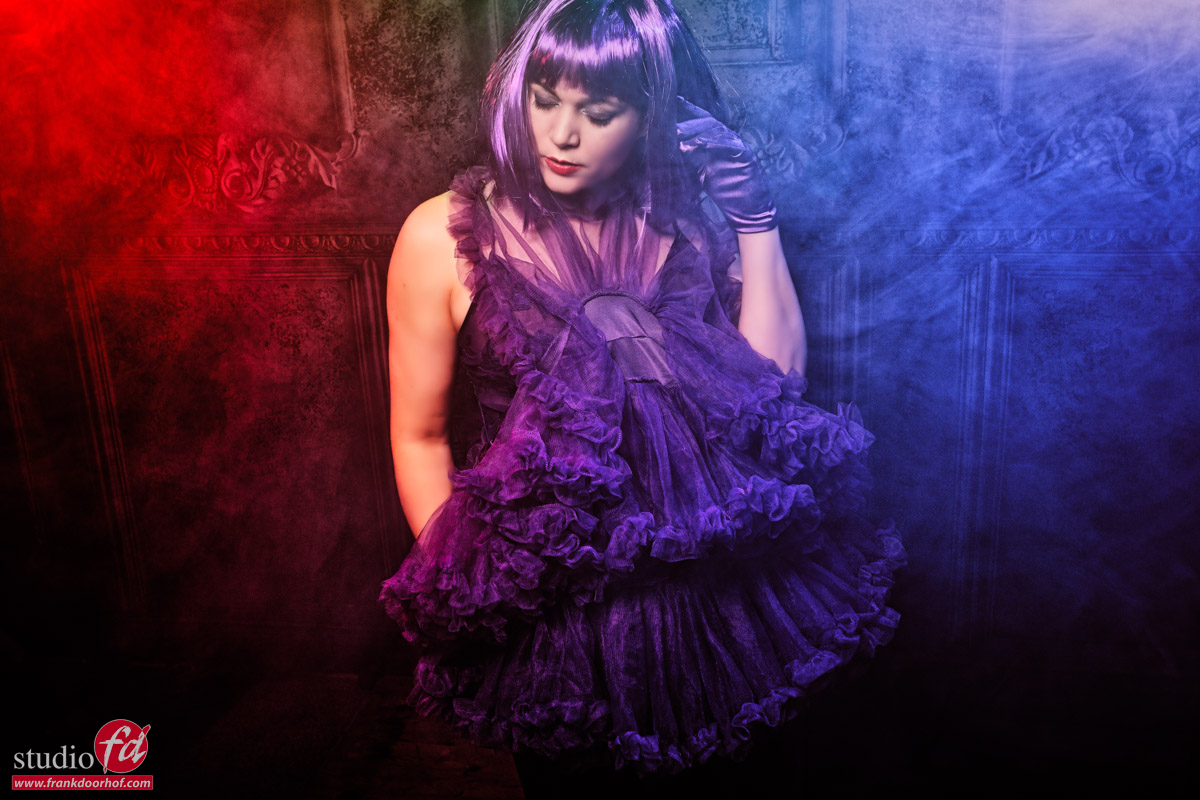
Now that we give more power to the gels you also start to see the smoke a lot more.
I did change my angle for this image, I love the way the clothing just leads the viewer when viewed from a slightly higher angle.
Add some more …..
This is the moment where I started to open up the aperture a bit more.
You can do this by raising the output on your strobes, or just opening up the aperture, the disadvantage of the aperture method is that you change the “output” for all strobes equally, when you use a remote control and groups you can have total control.
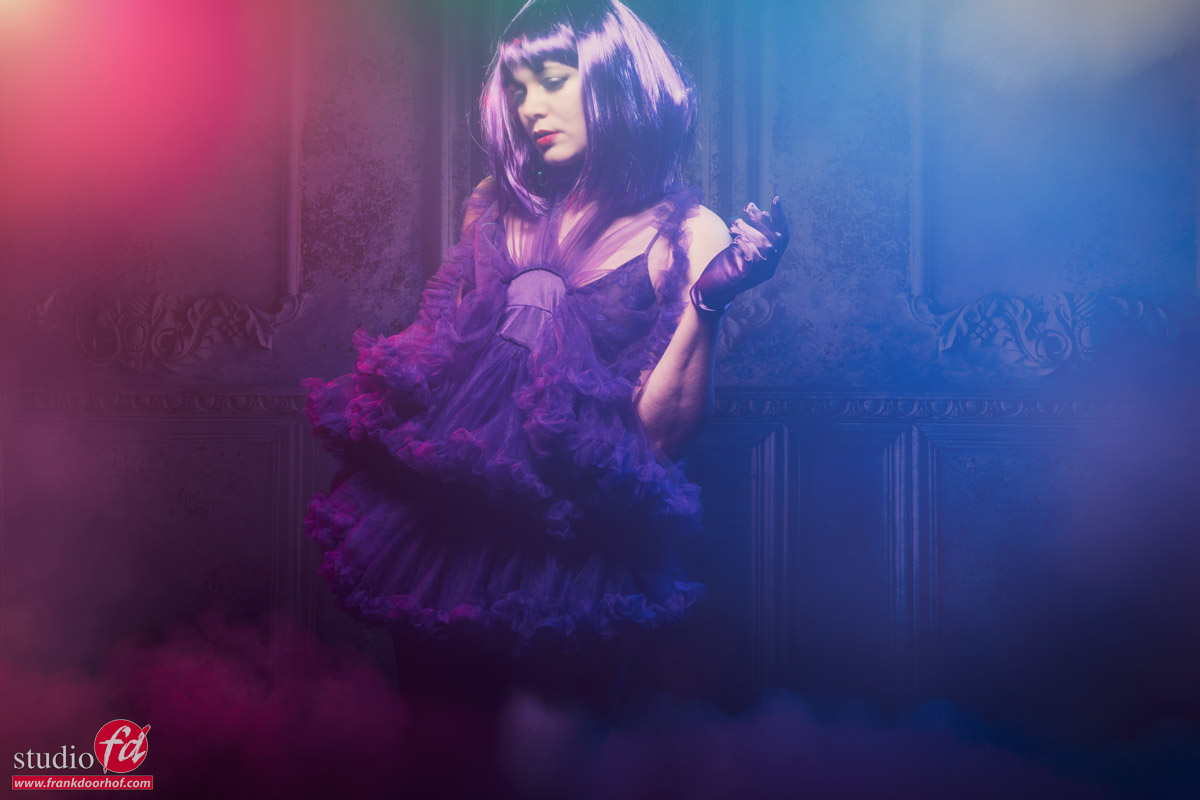
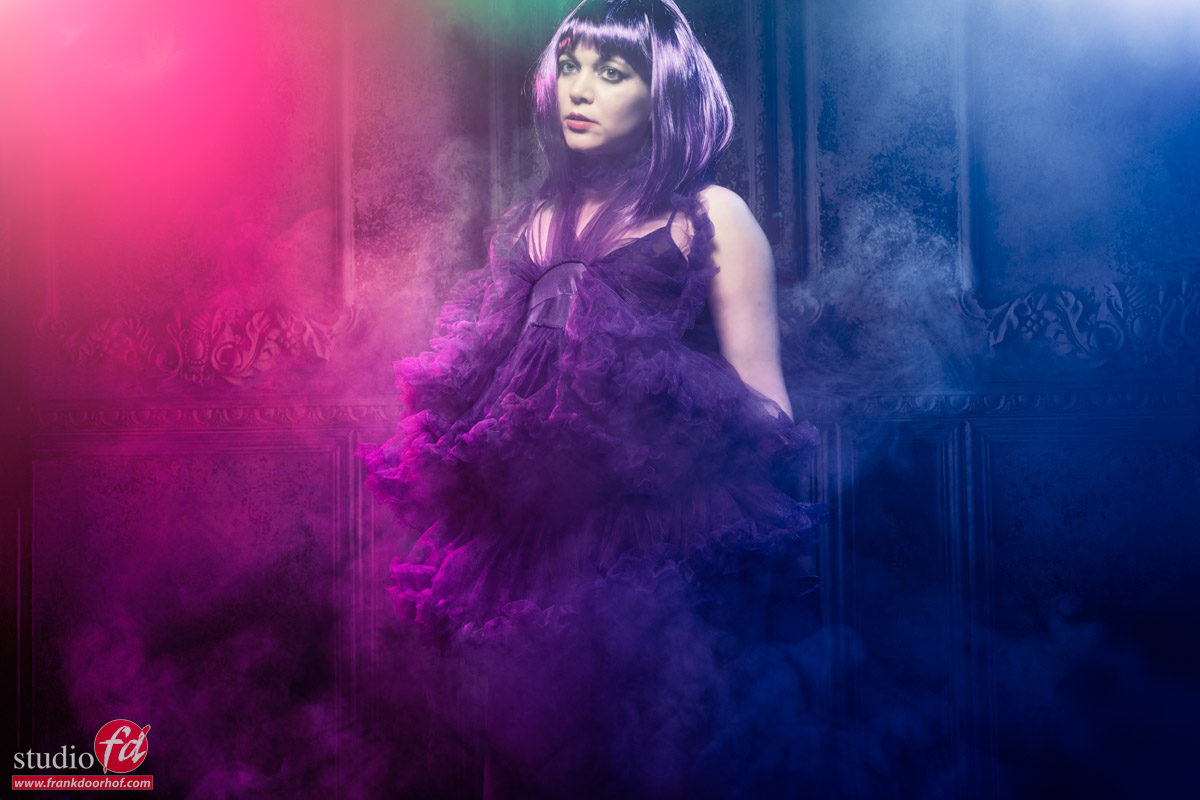
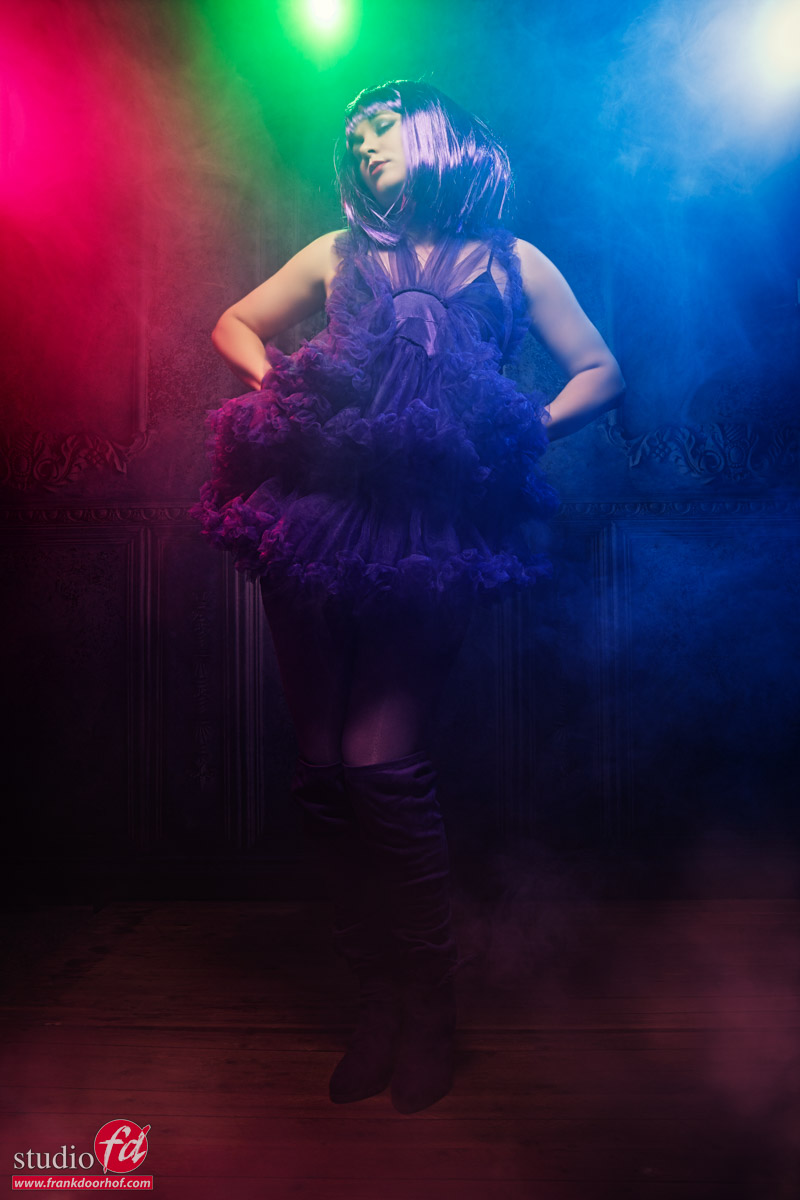
Now this is still the area where you might think the exposure is actually pretty accurate, it’s a bit bright, but that’s about it.
So let’s go a bit further.
Pastel and inspired by K-pop
Don’t worry I’m still a rock/metalhead, but I do love the look you often see with K-pop bands.
Add to this some pastel like colors and the inspiration for the next shots was done.
here I’m really overexposing the shots, including the gelled strobes.
You might think that it would look horrible (and maybe you do actually and that’s fine :D) but I think it works really well for this setup.
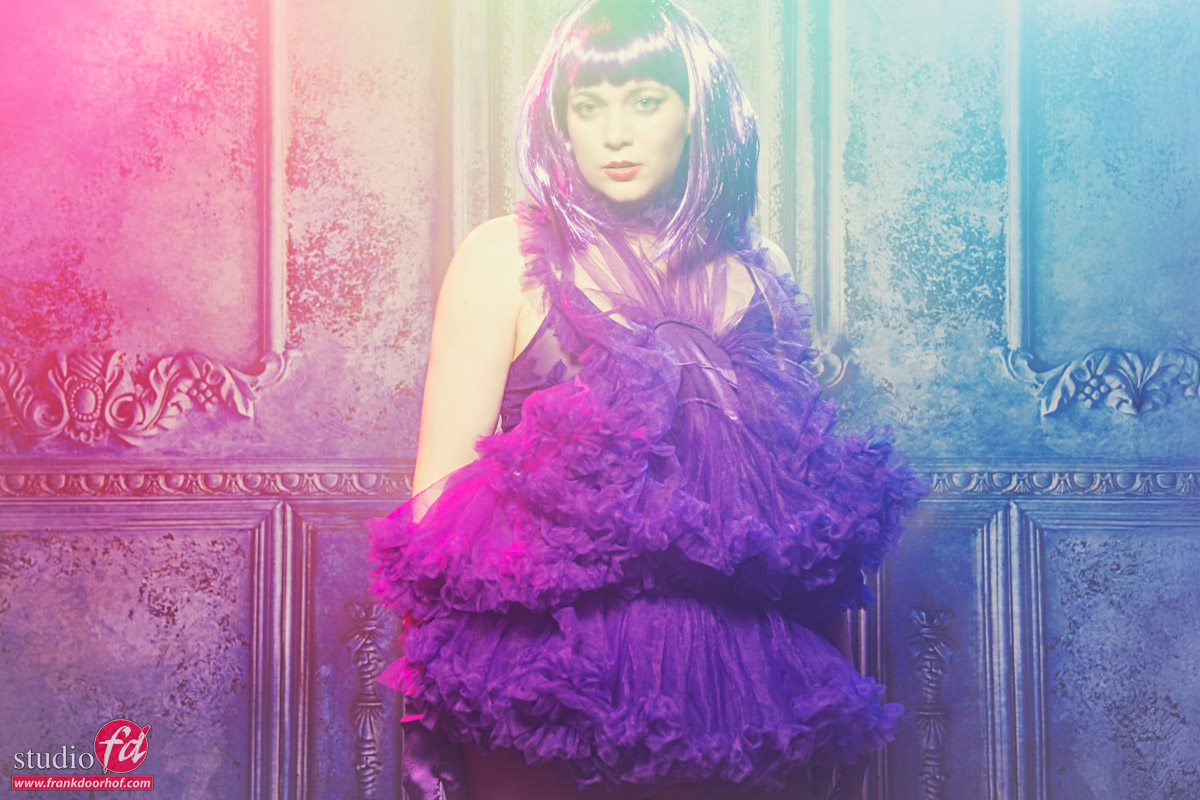
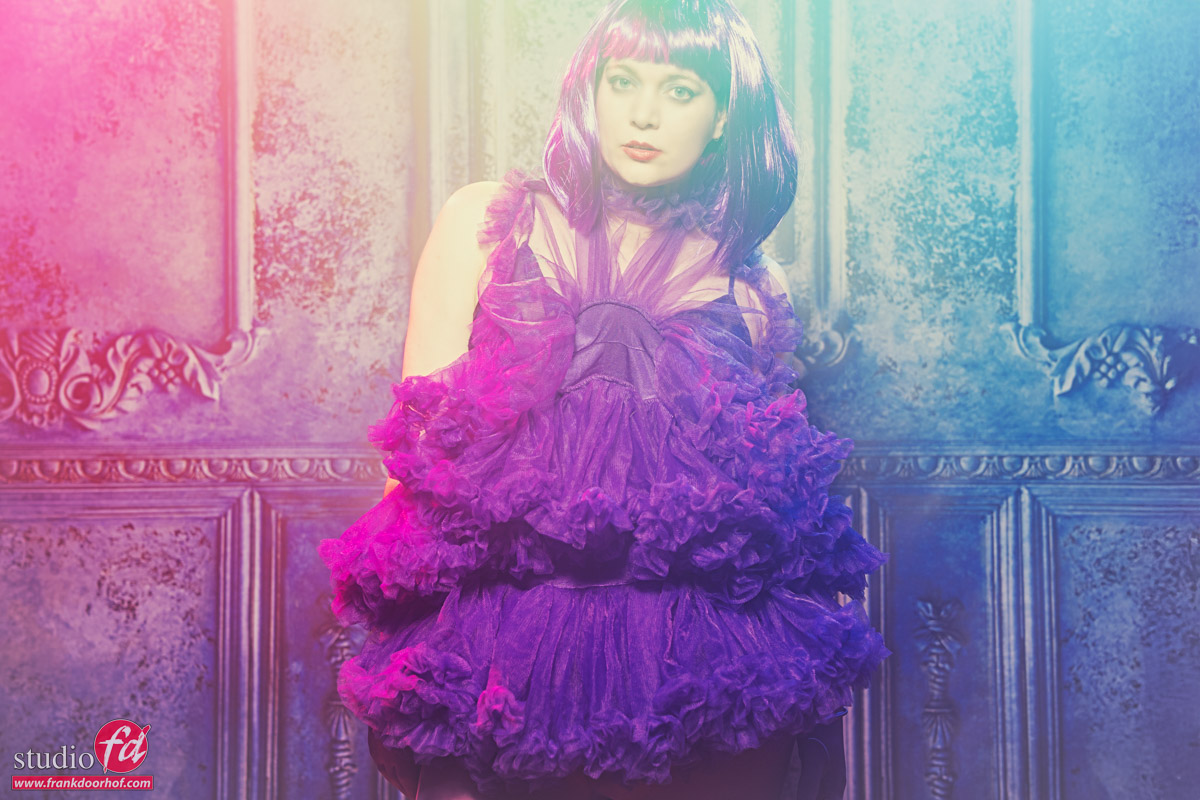
Of course you can also create these effects in Lightroom or Photoshop.
But you will lose some details in the shadows when you have to recover to much shadow detail, also the way the colors mix over the total range will be different and more “rough”. Doing it in camera/on set is not only much more fun but also gives you a great insight in how colors mix and light works.
This is why during the workshops I always try to shoot images standard and also experiment with at least 1-2 different solutions.
Workshops
Want to learn everything about light control?
Want to visit a workshop where it’s not just shooting a model with a fixed lighting setup, but see how the setup is build and adjusted to the taste of the group?
And of course learn how to work with poses, backgrounds, small sets, styling, retouching and a lot more…..
If this all sounds awesome, visit fotografie-workshops.nl and book your workshop.
If you don’t speak Dutch, no problem, let us know a few weeks in advance and we can switch the workshop to English.
Not possible to travel to The Netherlands?
We got you covered with our 1:1 online workshop.
We have a full streaming setup in our studio. 4 detail cameras and of course the retouching software so you can see every detail and of course ask questions during the day. Plus you get all the RAW files after the workshop.