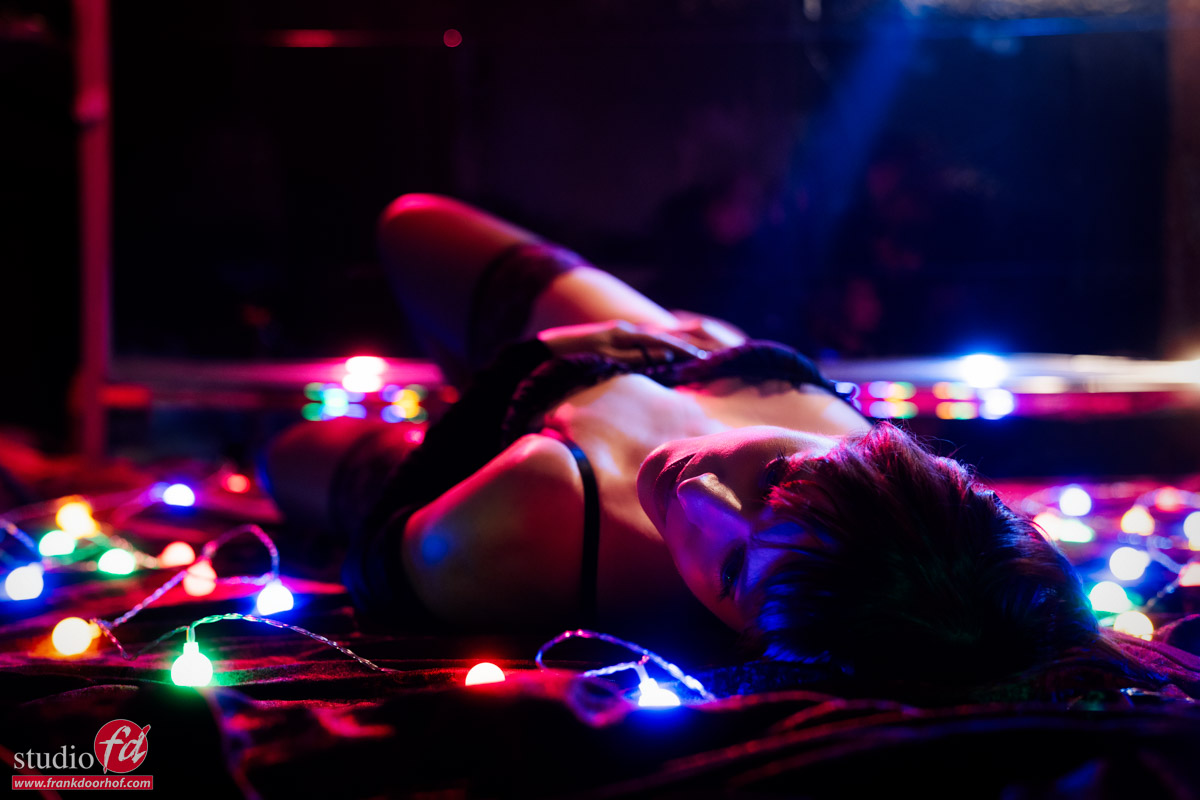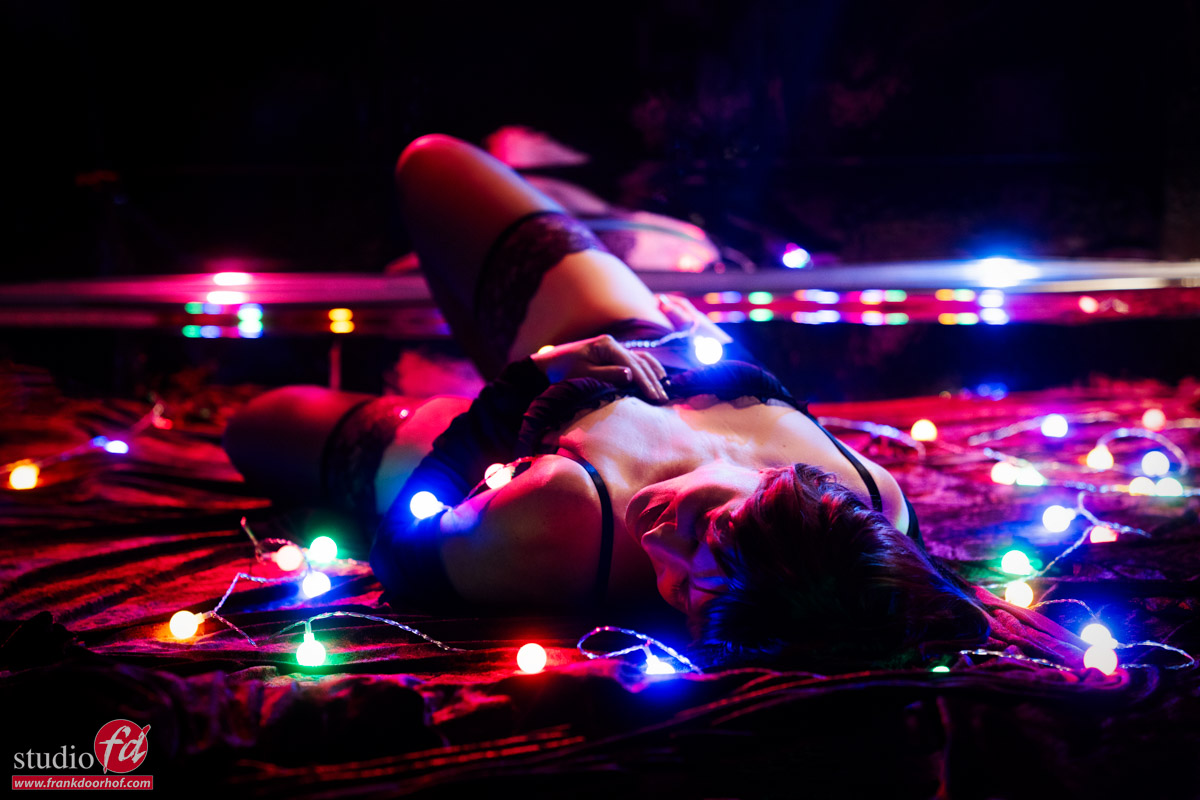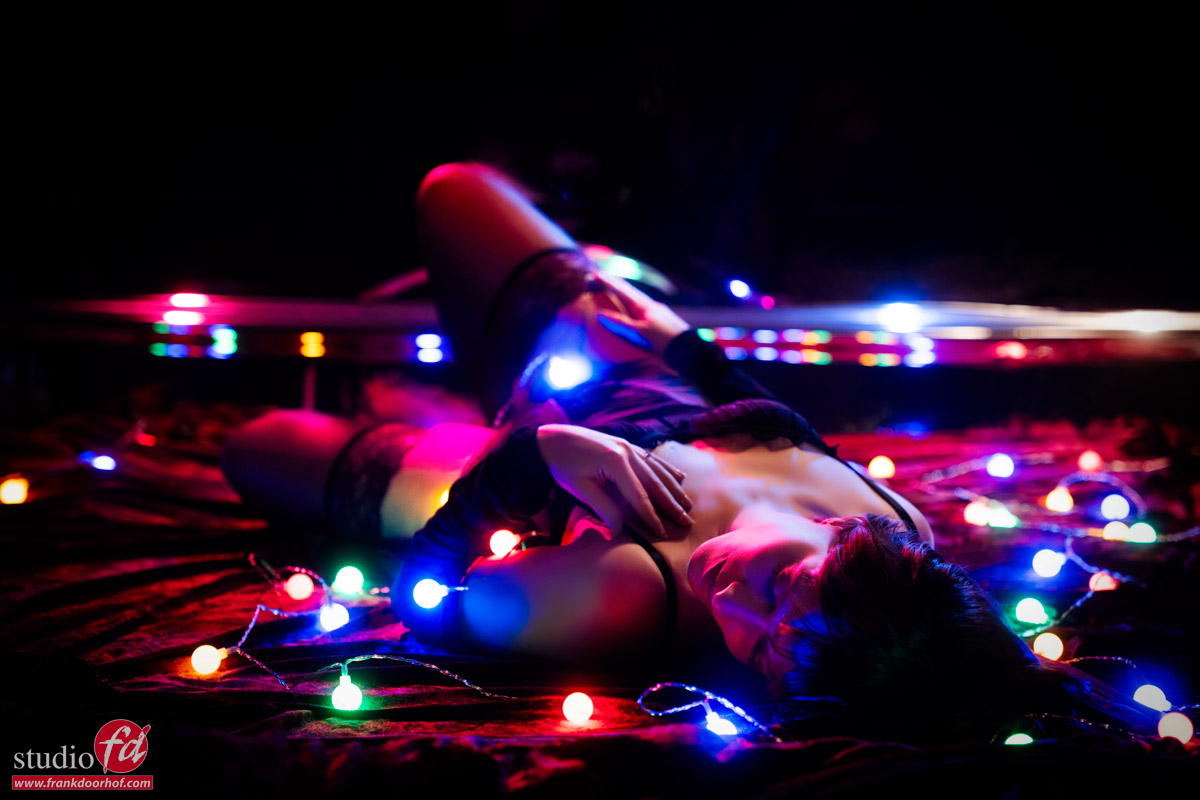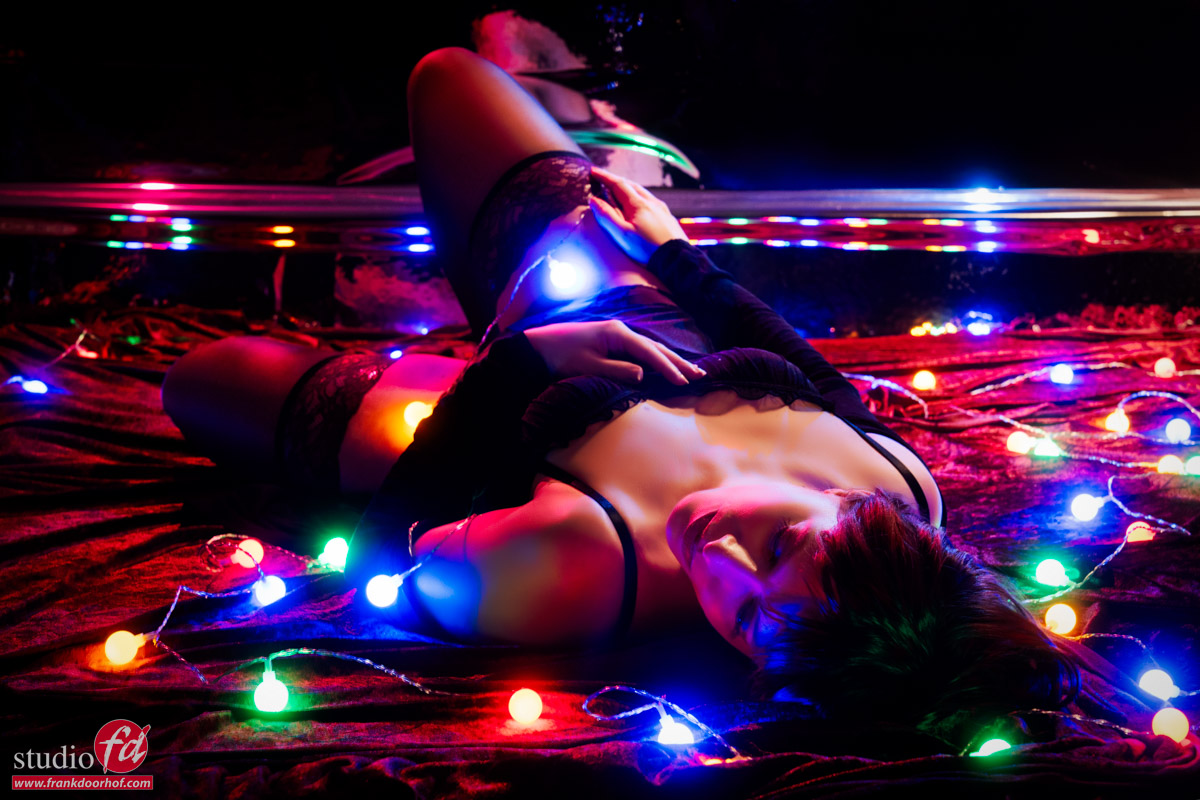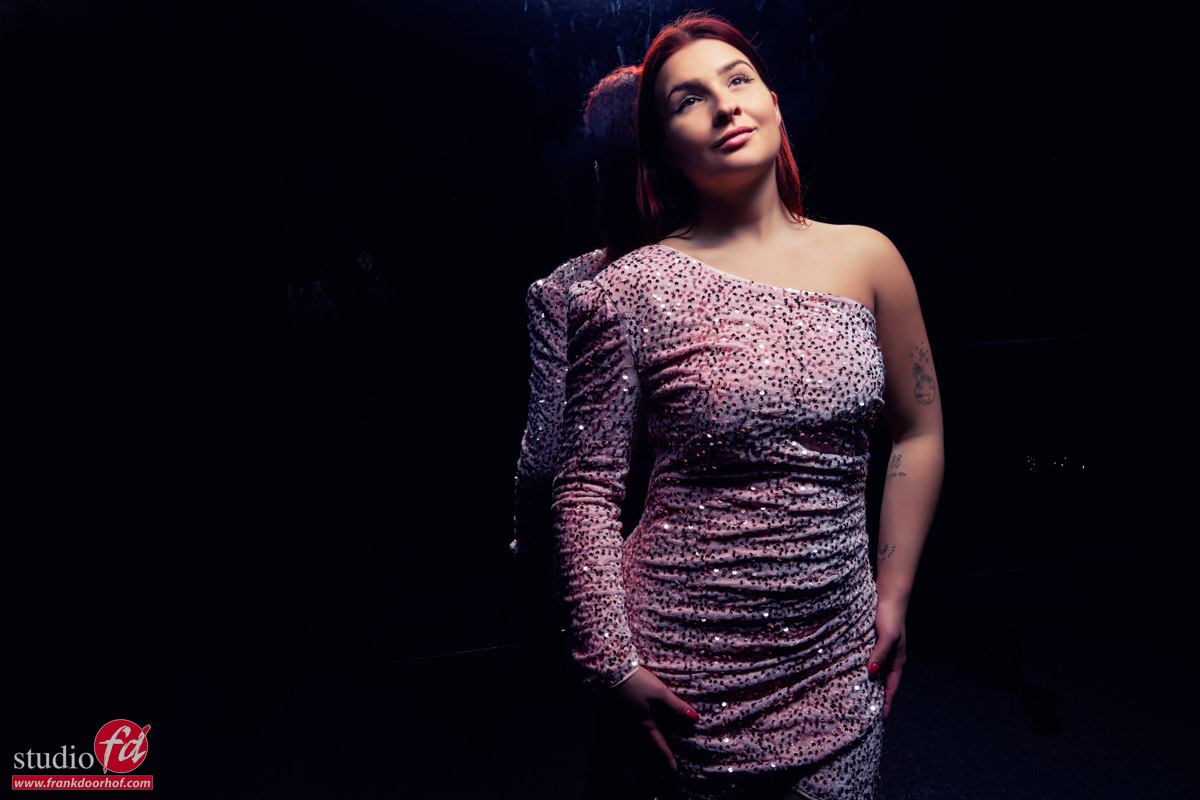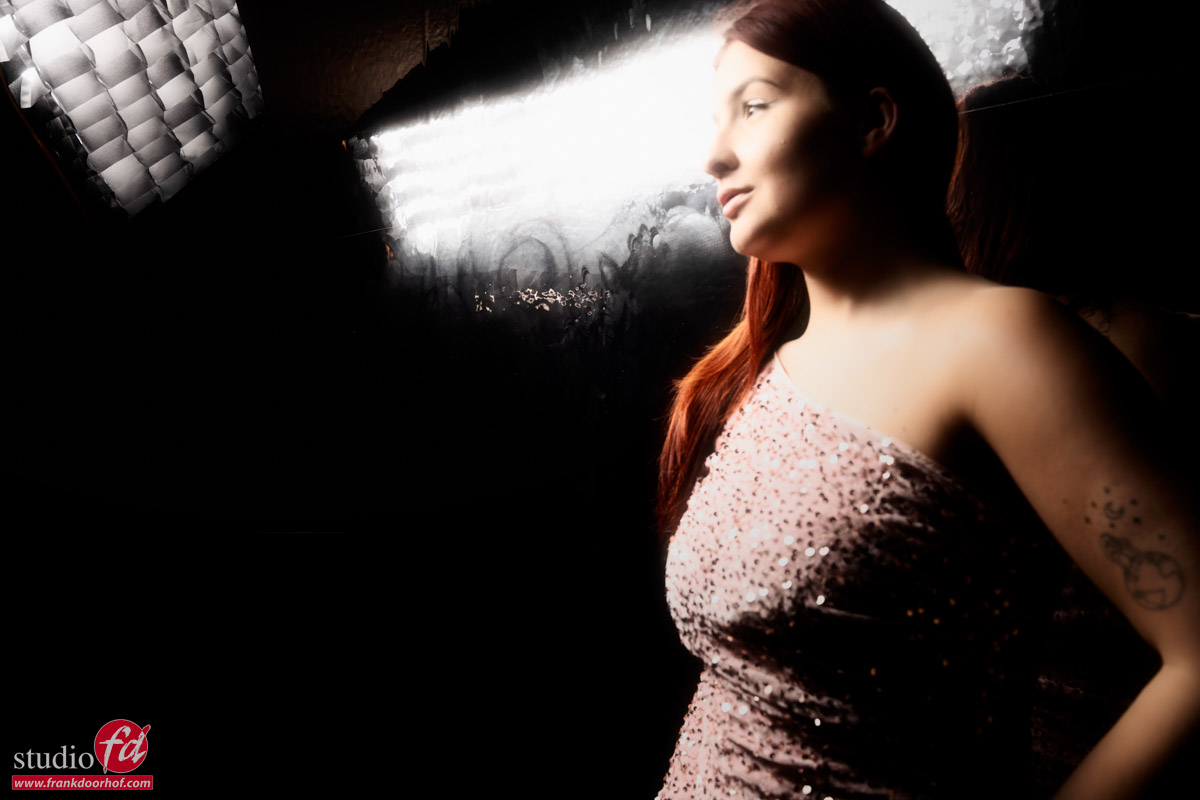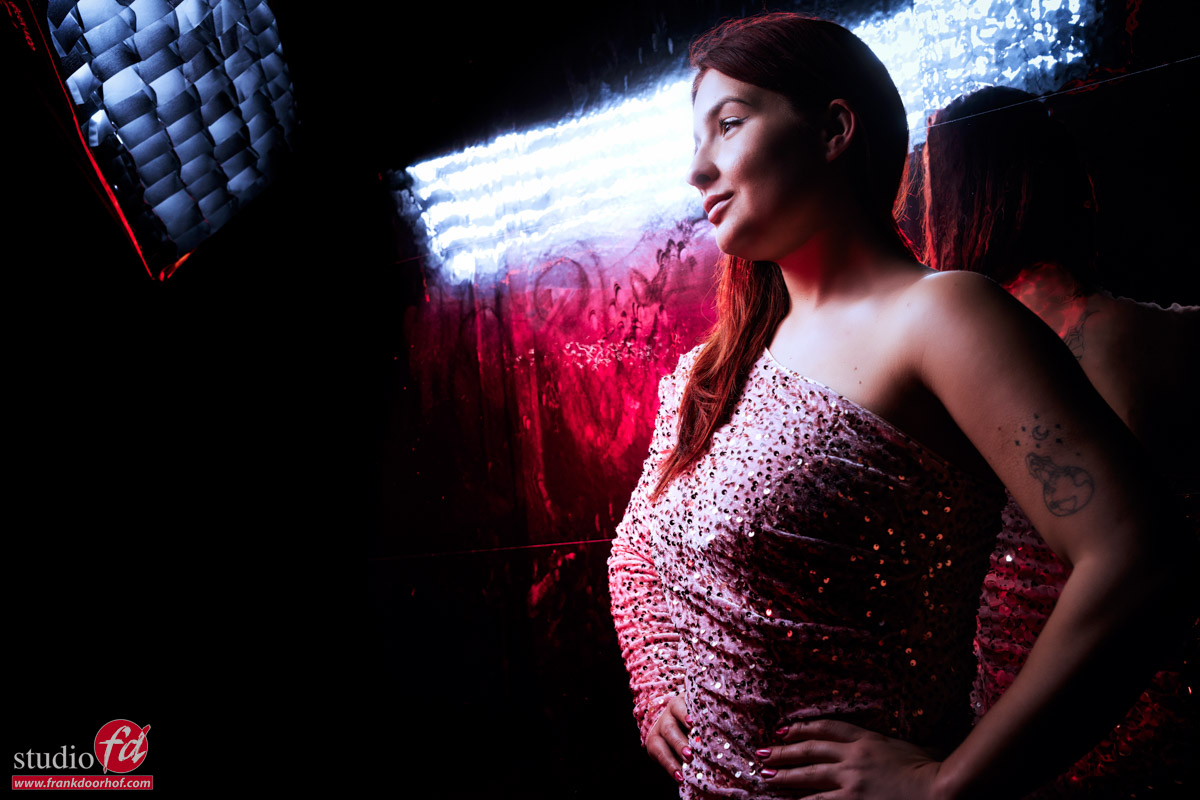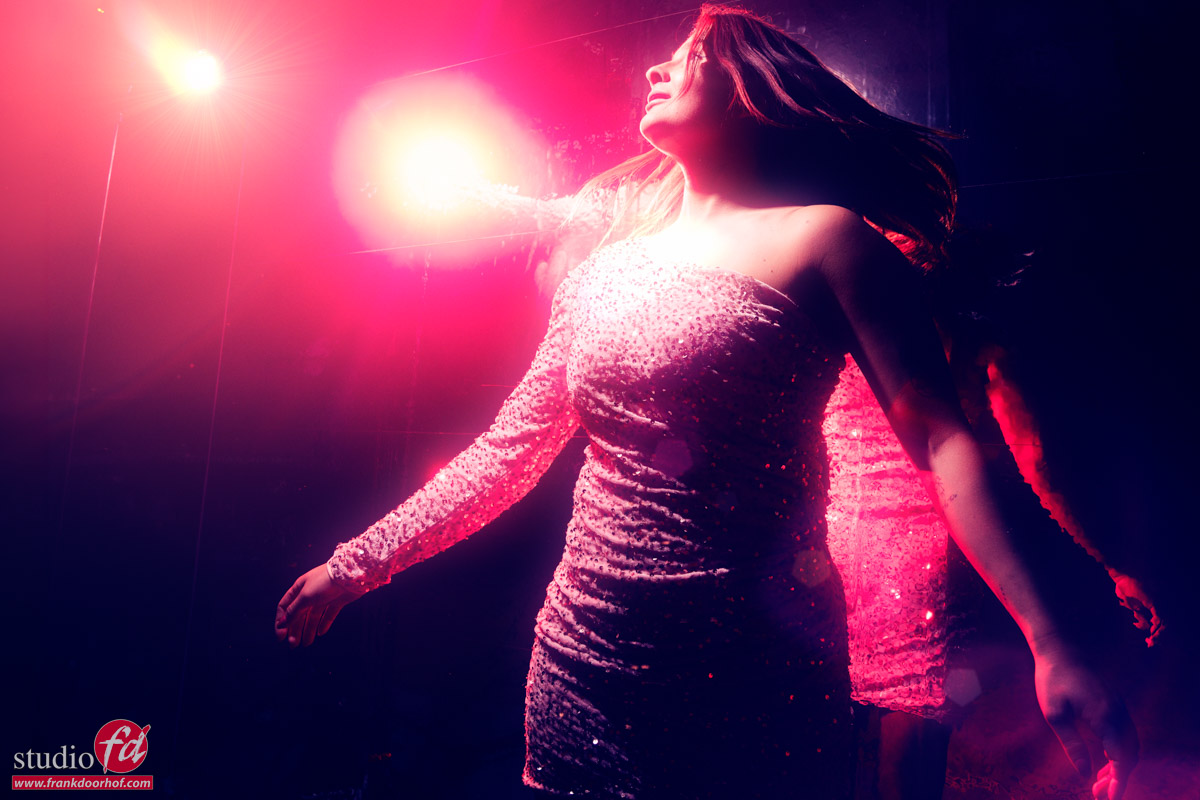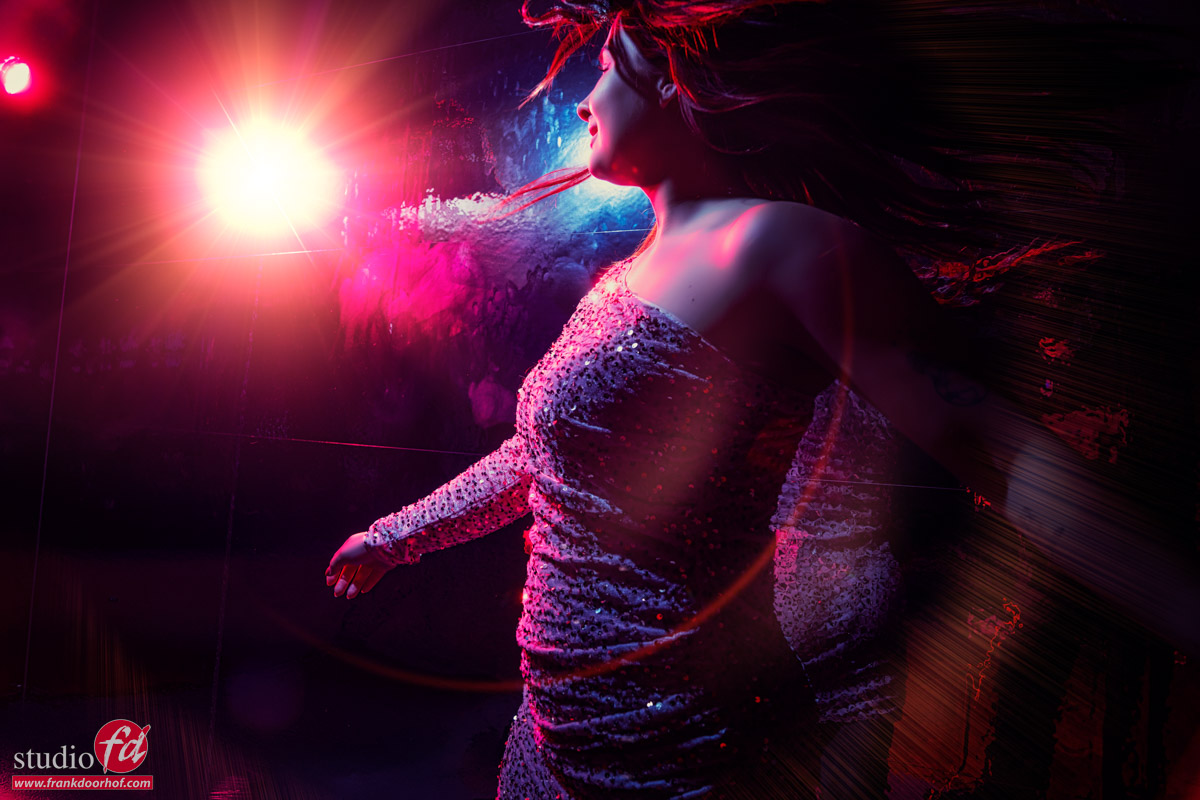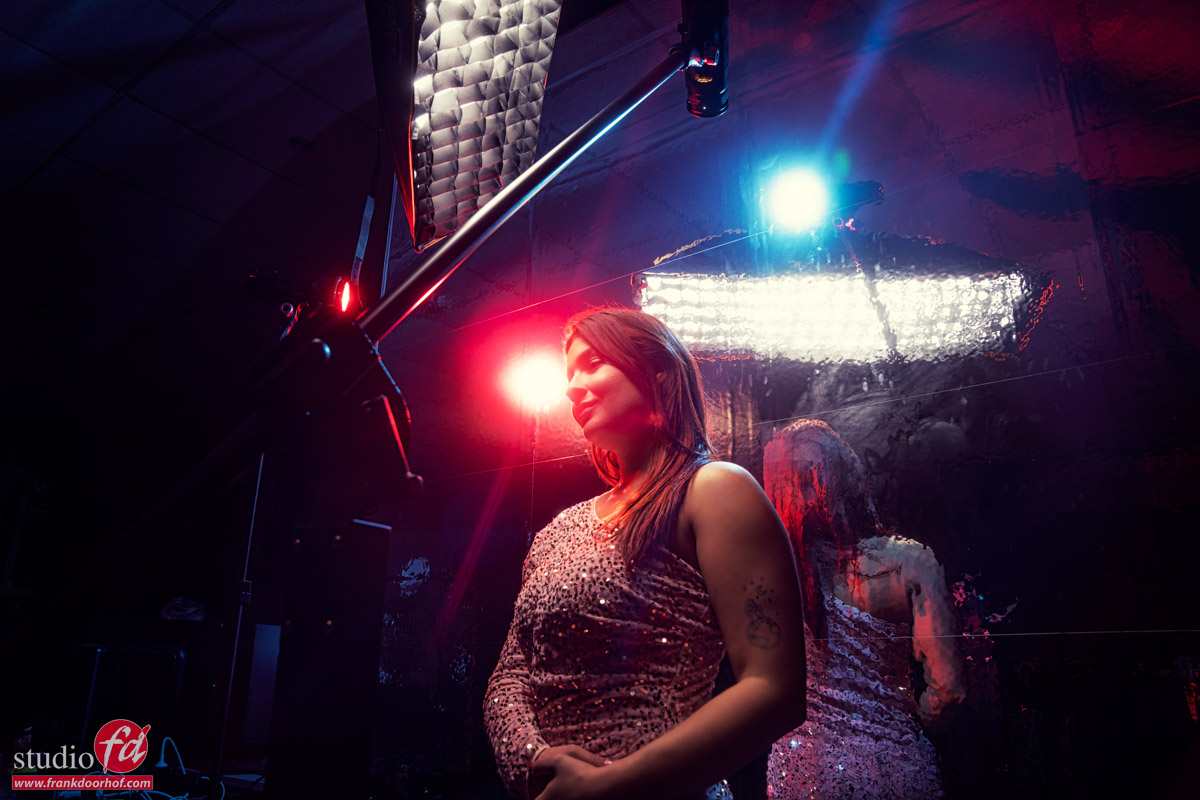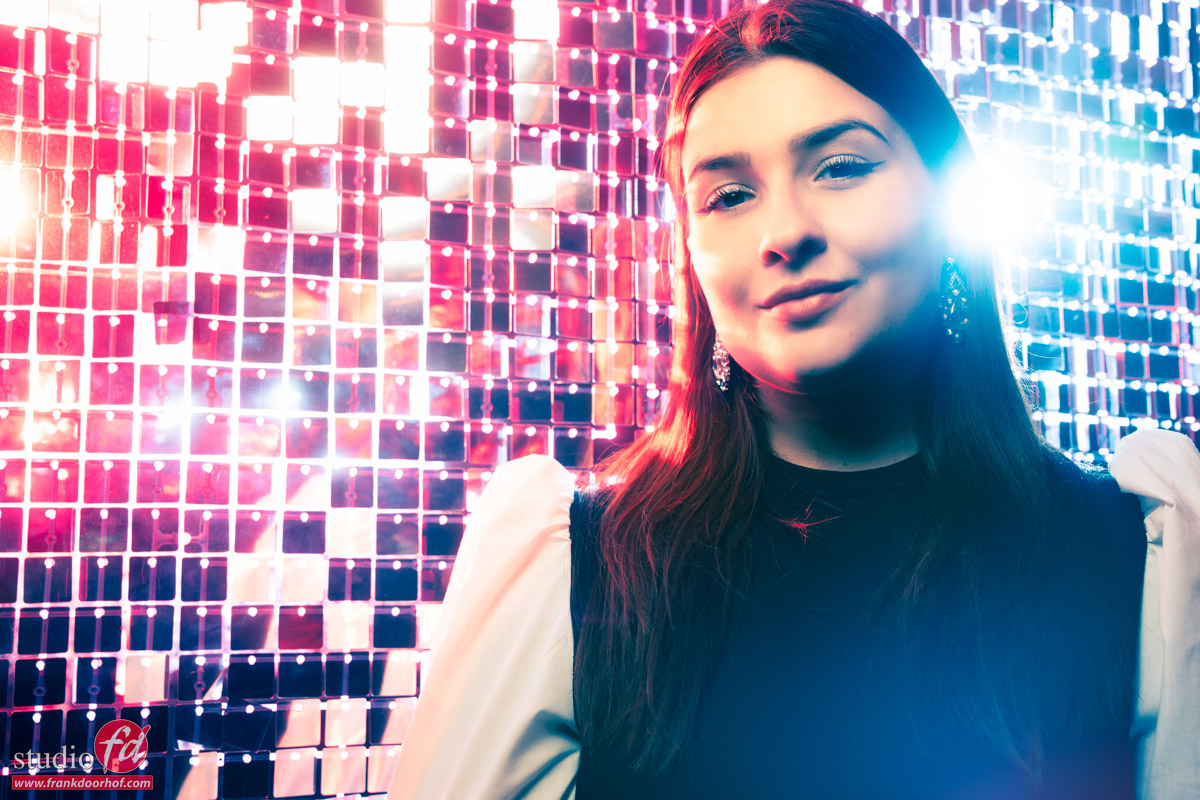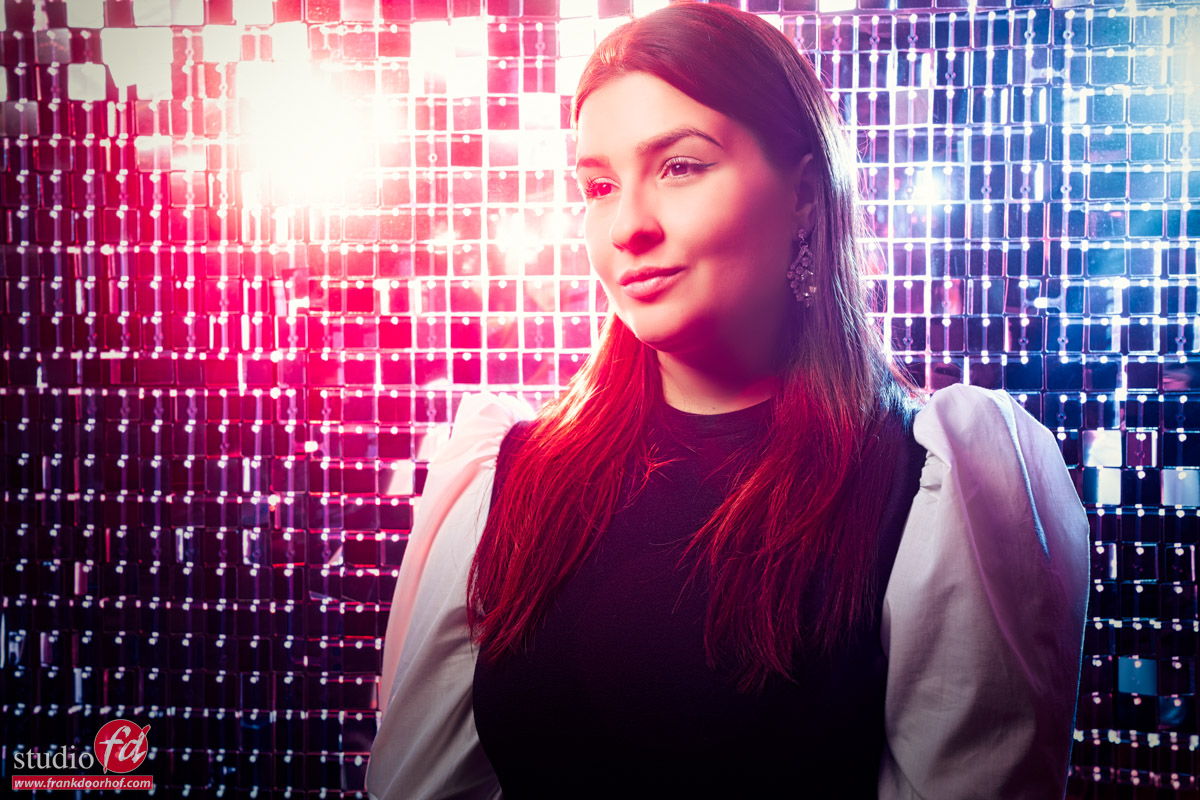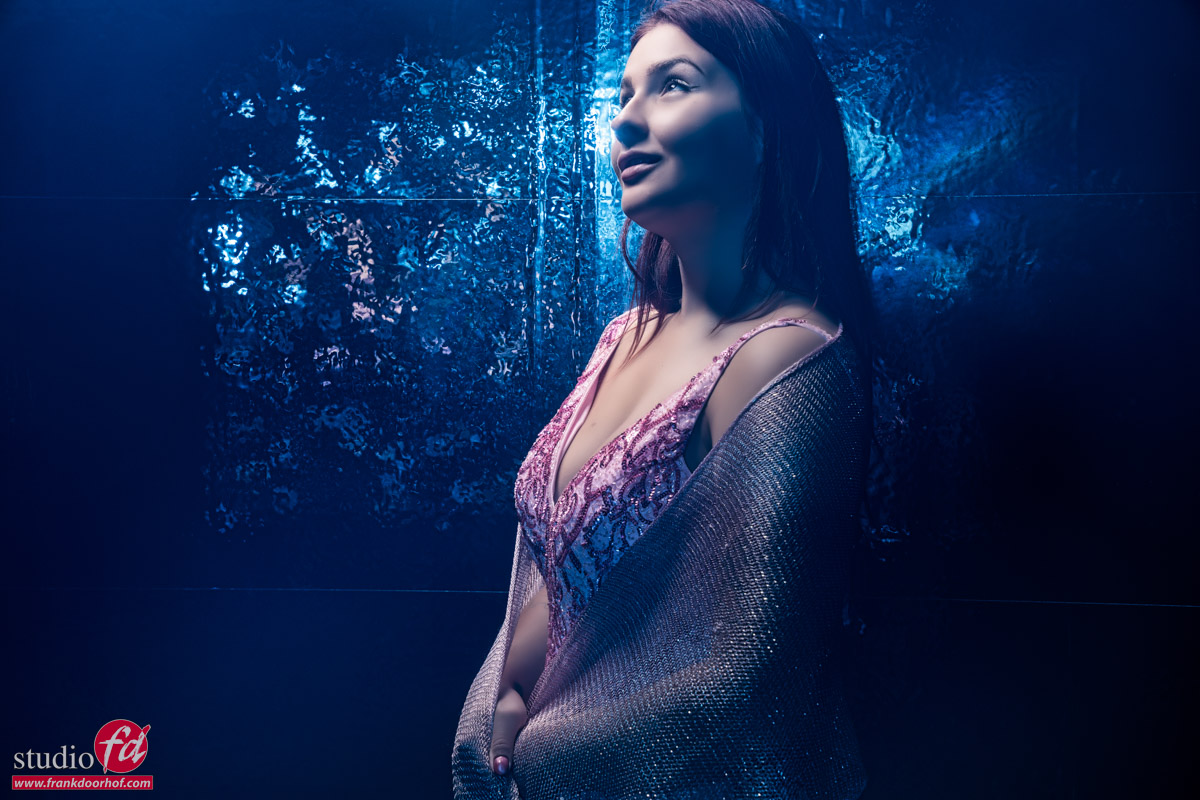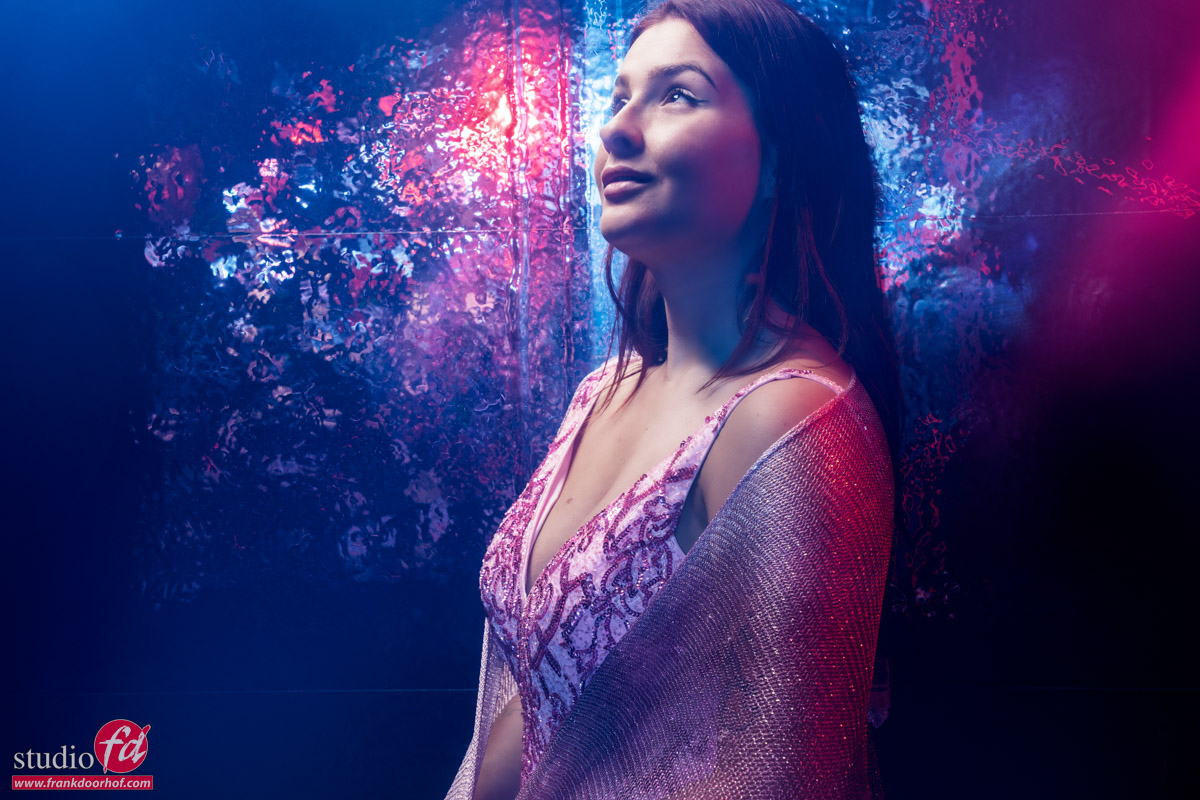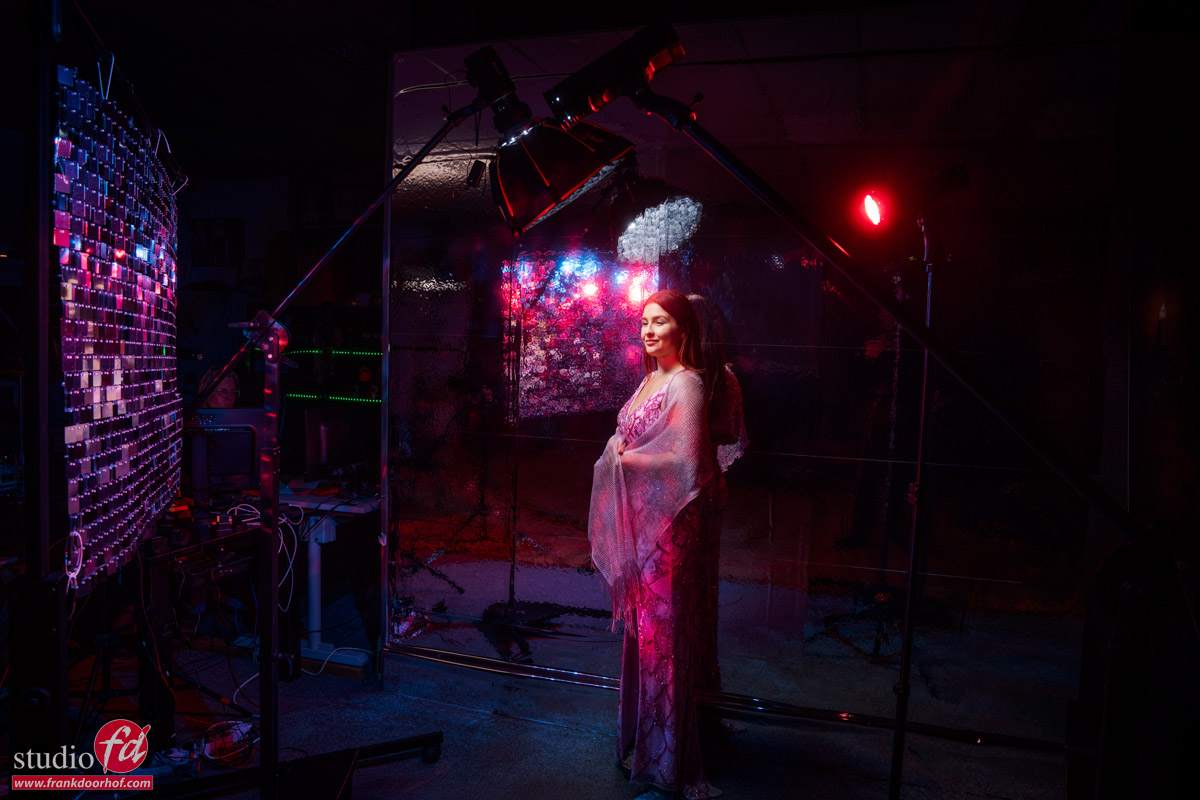
If you want to use smoke you have to check out this
Smoke in the studio is always fun
So today, part I in a series on smoke, or some people call it mist.
I’ve been using smoke almost immediately when I started with model photography in my own “studio”.
Somehow, smoke is magic during a photo shoot.
I often joke that if the model is “so-so” or the set is awful, just pump in some smoke, and you have a killer shot. Of course, it’s not that easy, although in essence it does work that way, smoke is a real mood maker.
Let’s first talk about the smoke itself
In our studio, we use two different kinds of machines.
For the whole set, I’m using two smoke machines with a water-based solution.
I highly recommend using water-based solutions if you are using the smoke with electronics in the same room.
For local smoke, I’m using two handheld smoke machines.
These are “oil-based” and will leave a small residue on materials where the smoke is concentrated.
A big advantage of these machines is that you can use different accessories, and for example, can create a dry ice effect with more like mist, literally sticking to the floor.
I’m using two machines for the following reasons.
For the water-based machines, it’s a matter of being able to work faster. The water-based machines often cool down during a shoot and need to warm up again. When you have two, you can in most cases use the second one when the first one is warming up. Two machines also help to build up the smoke more evenly. One can take care of the back while the other gives a few puffs on the front.
With the smaller machines, it’s simply a matter of having more smoke.
And finally, let’s talk about the fluid
When you buy smoke fluid, you can probably choose the thickness.
In our studio, we use a medium thickness.
For studio work, this works best for us. When we want thick plumes, we use more smoke; for a haze, it’s a matter of using a little bit of smoke and just waiting. At one point, just like freezing motion, you learn exactly how the machines work and how the smoke reacts.
How to light smoke?
Lighting it can be tricky.
In a lot of cases, you might think that your lighting is too dark on the bottom of the frame, so you add some extra lights to open up the shadows, only to find out that when you start adding smoke, there is way too much light on the bottom. What is going on?
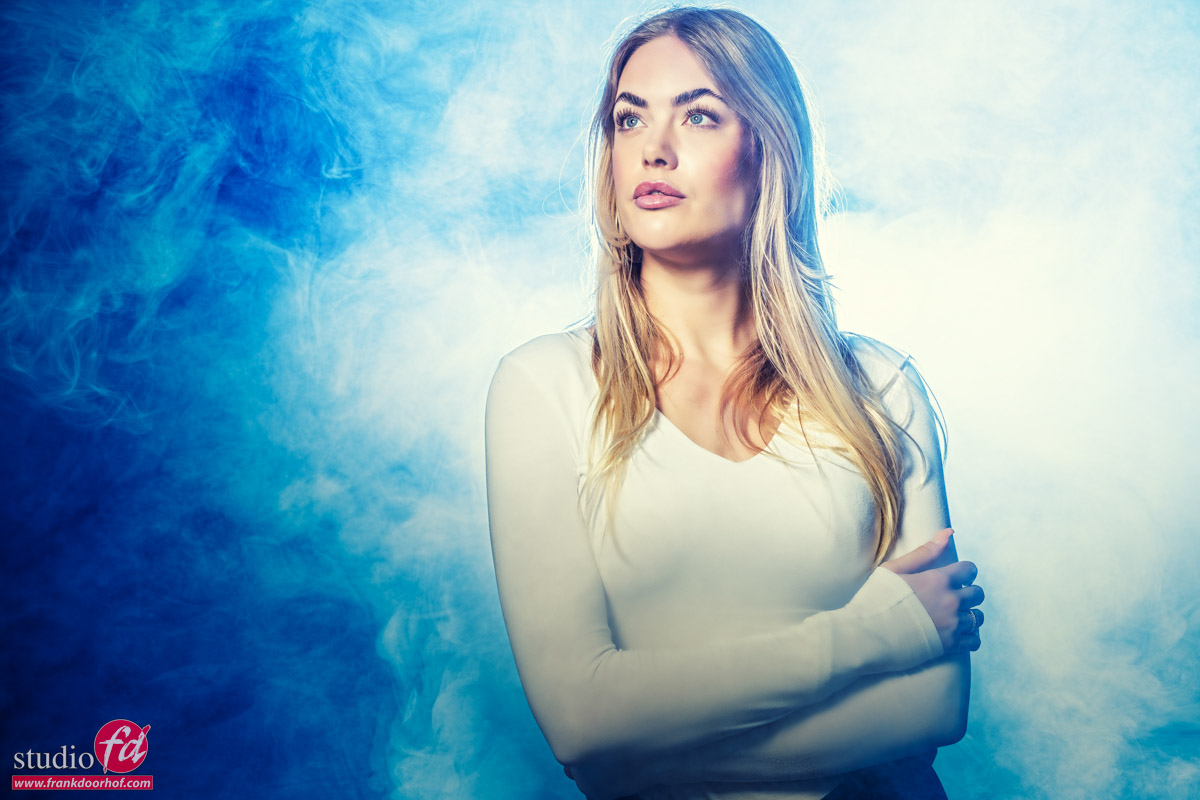
Smoke acts like a diffuser, reflector and a mood maker.
Meaning if you add smoke to a scene, a lot of things will change.
The first thing you have to take into account is that smoke will act the same way as a fog bank when you drive in your car.
Meaning when you place your light straight on your model, the chance you will see a big white glow instead of your model is almost 100%.
So when you place your main light, it works best if you place it under a slight to extreme angle. Don’t worry about a shadow side; we will solve that later on.
Also, the distance of your light can make a huge difference.
The first thing that changes with the distance is, of course, the light fall off, but also the area the light hits. With smoke, however, it’s more about the closer the light is to your subject, the less chance of too much smoke accumulating, creating an ugly white blob in the corner.
If you use a lot of smoke on the opposite side of the light (we often push the smoke towards the accent light), you will be surprised how much light is bounced back on the shadow side of your model. It’s like millions of small reflectors bouncing the light back (which in fact happens).
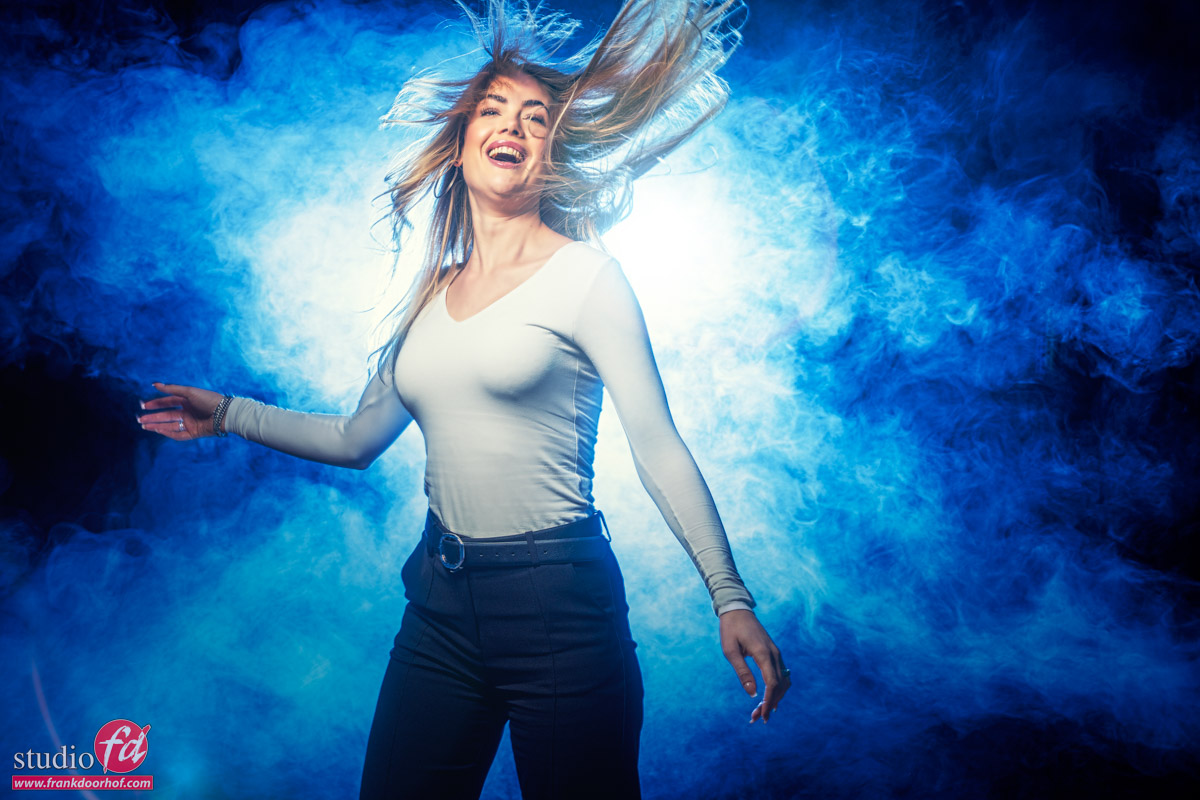
As you can see here, I’m using a blue gel in the background aimed at the back of my model (Isabelle). Due to the smoke and the limited “field of view” of the strobe, I’m getting a beautiful lighting effect behind my model. Add some motion and ….. done 😀
Or is it not that easy… well, yes and no.
For the answer, come back for the next blog post in our smoke series.
Workshops
Want to learn everything about light control?
Want to visit a workshop where it’s not just shooting a model with a fixed lighting setup, but see how the setup is built and adjusted to the taste of the group?
And of course learn how to work with poses, backgrounds, small sets, styling, retouching, and a lot more…..
If this all sounds awesome, visit fotografie-workshops.nl and book your workshop.
If you don’t speak Dutch, no problem, let us know a few weeks in advance, and we can switch the workshop to English.
Not possible to travel to the Netherlands?
We got you covered with our 1:1 online workshop.
We have a full streaming setup in our studio. 4 detail cameras and of course the retouching software, so you can see every detail and of course ask questions during the day. Plus, you get all the RAW files after the workshop.